
Transforming Agricultural Land Into Residential Property In Lucknow
Introduction to Land Transformation
Transforming agricultural land into residential property is becoming an emerging trend in Lucknow, driven by urban expansion and the increasing demand for housing. As the capital city of Uttar Pradesh, Lucknow is witnessing rapid urbanization, making it a prime location for residential development. This transformation process involves converting land primarily used for farming into plots suitable for building homes and other residential structures.
Understanding the importance of this transformation is crucial for potential investors and homebuyers in Lucknow. The city's strategic location, coupled with its rich cultural heritage and improving infrastructure, makes it an attractive destination for new residential projects. Moreover, with the government’s focus on developing smart cities and enhancing urban living standards, the conversion of agricultural land is poised to play a significant role in meeting these objectives.
Key Factors Influencing Land Transformation
- Urbanization: With an increasing population, there is a growing need for more residential areas.
- Government Policies: Policies facilitating land conversion are simplifying the process for developers.
- Infrastructure Development: Improved roads, public transport, and amenities make residential projects on former agricultural lands more viable.
- Real Estate Demand: A rising middle class is driving demand for affordable housing in desirable locations.
Lucknow's real estate landscape is evolving, and the transformation of agricultural land into residential property is a pivotal aspect of this change. Understanding this process, along with its benefits and challenges, is essential for anyone considering investing in Lucknow's burgeoning property market.
Table of Contents
- Current Trends in Lucknow's Real Estate
- Legal Considerations For Land Conversion
- Environmental Impact of Agricultural Land Development
- Benefits of Residential Development in Lucknow
- Future Prospects and Challenges
Current Trends in Lucknow's Real Estate
In recent years, Lucknow's real estate market has witnessed a significant transformation, spurred by both urbanization and a growing demand for residential spaces. The trend of converting agricultural land into residential property is gaining momentum, driven by the need for more housing and the strategic location of Lucknow as a central hub in Uttar Pradesh.
Rise in Residential Projects
Developers are increasingly focusing on residential projects on the peripheries of the city, where agricultural lands are being transformed to meet the urban housing demand. This trend is further fueled by the government's development initiatives and improved infrastructure, making these areas more accessible.
Government Initiatives
The Uttar Pradesh government has been proactive in supporting this shift by offering various incentives and schemes to developers and buyers alike. Policies aimed at easing the conversion process and reducing the burden of taxes and duties have been put in place.
Infrastructure Development
Infrastructure development plays a crucial role in making these transformations successful. With projects like the Lucknow Metro and the Agra-Lucknow Expressway, there is a significant improvement in connectivity, making residential properties in converted agricultural lands more appealing to potential buyers.
Market Demand and Pricing
The demand for housing in Lucknow is growing, with prices remaining competitive compared to other metropolitan cities. This affordability, along with the city's blend of tradition and modernity, makes it an attractive destination for both homebuyers and investors.
Overall, the trend of converting agricultural land into residential property is set to continue, contributing to Lucknow's evolving urban landscape and opening new avenues for real estate development.
Legal Considerations For Land Conversion
Transforming agricultural land into residential property in Lucknow is a promising venture, but it's crucial to navigate the legal landscape carefully. Here are the key legal considerations to keep in mind:
Understanding Land Use Zoning
In Lucknow, land use is governed by zoning regulations, which dictate how land can be used in different areas. It is vital to check if the agricultural land falls under a zone that permits residential development. Zoning categories can be found in the Lucknow Development Authority's official website.
Conversion Process and Approval
The process of converting agricultural land to residential land involves applying for land use conversion with the local authority. Here’s a simplified guide:
- Submit an application to the Tehsildar's office with required documents.
- Obtain a No Objection Certificate (NOC) from the District Collector.
- Compliance with the Uttar Pradesh Land Laws, ensuring no violation of the state's regulations.
- Receive approval from the Local Planning Authority.
Document Verification and Registration
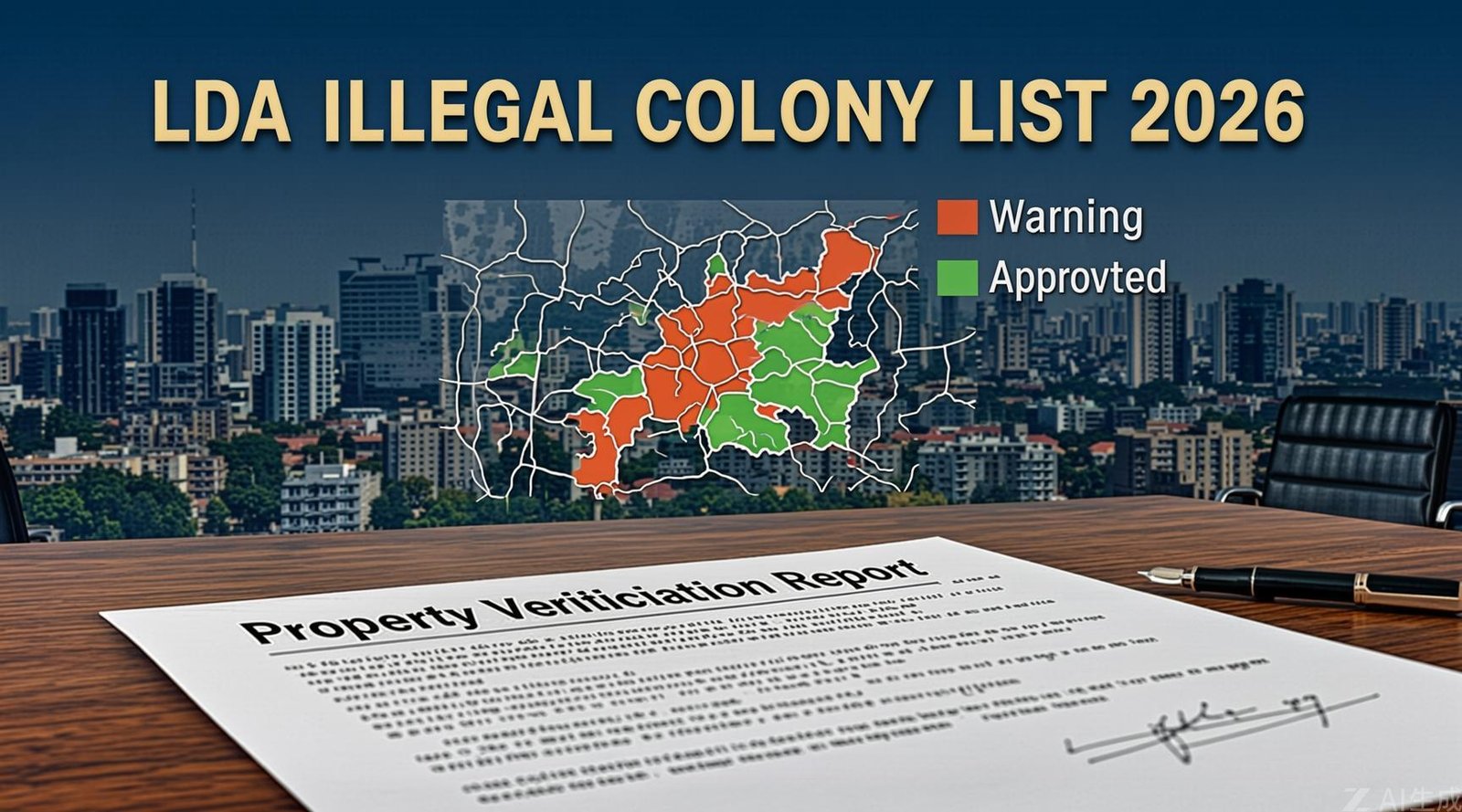
Ensuring all legal documents are in order is crucial. Important documents include the Title Deed, Sale Deed, and Encumbrance Certificate. Verify these documents with the Lucknow Development Authority to prevent future disputes.
Compliance With Environmental Norms
It's essential to adhere to environmental guidelines. Ensure that the land conversion does not contravene any environmental laws and obtain necessary clearances from the Pollution Control Board to avoid potential issues.
Note: Engaging with legal experts and local authorities can streamline the conversion process and mitigate risks associated with non-compliance.
Environmental Impact of Agricultural Land Development
Transforming agricultural land into residential property can have significant environmental implications, especially in a rapidly growing city like Lucknow. Understanding these impacts is crucial for making informed decisions.
Loss of Biodiversity
The conversion of agricultural land to residential areas often leads to a loss of biodiversity. Agricultural lands, even though managed for crops, support a variety of flora and fauna. When these lands are developed for housing, the natural habitats are often destroyed, leading to a decline in local wildlife populations.
Soil Degradation
Another critical impact is soil degradation. Construction activities disturb the soil structure, leading to increased erosion and reduced fertility. This can have long-term effects on the land's ability to support life and contribute to sustainable urban development.
Water Management Challenges
Residential development changes the way water is managed in an area. Impervious surfaces like roads and pavements increase, leading to reduced groundwater recharge and increased surface runoff. This can cause flooding and strain existing water management systems.
Climate Impacts
The shift from agricultural to residential land can also contribute to climate impacts. Agricultural lands often act as carbon sinks, absorbing CO2 from the atmosphere. When these lands are replaced with buildings, the balance shifts, potentially increasing the area's carbon footprint.
While the development of agricultural land into residential areas in Lucknow is a sign of urban progress, it is essential to consider and mitigate these environmental impacts to ensure a sustainable future for the city.
Benefits of Residential Development in Lucknow
Lucknow, the heart of Uttar Pradesh, is witnessing a real estate boom, making it an ideal location for residential development. Transitioning agricultural land into residential property offers numerous benefits that can significantly enhance the lifestyle and economic prospects of its inhabitants.
Economic Growth and Job Creation
The development of residential properties contributes to the economic growth of Lucknow by creating numerous job opportunities. From construction workers to real estate agents, the sector provides a plethora of employment prospects, boosting the local economy.
Improved Infrastructure
With residential developments come improved infrastructure facilities. These include better roads, enhanced public transportation, and the development of essential amenities like water supply, electricity, and sanitation. Consequently, this leads to an improved quality of life for the residents.
Increased Property Value
The transformation of agricultural land into residential spaces can significantly increase property values. As demand for housing in Lucknow rises, property owners can benefit from substantial returns on investment, making it a lucrative venture.
Enhanced Social Amenities
Residential development often leads to the establishment of schools, healthcare facilities, shopping complexes, and recreational areas. These amenities not only enhance the living standards but also make communities more vibrant and attractive.
Community Development
Transforming agricultural land to residential areas fosters community development. It encourages a sense of belonging and community participation, as people from diverse backgrounds come together, enhancing social cohesion and cultural exchange.
In summary, residential development in Lucknow is a catalyst for economic prosperity, improved infrastructure, and community well-being. By capitalizing on these benefits, Lucknow can continue its growth trajectory while providing a better future for its residents.
Future Prospects and Challenges
Lucknow's real estate market is booming, offering promising future prospects for transforming agricultural land into residential property. The city's strategic location, coupled with its rich cultural heritage, makes it an attractive destination for homebuyers and investors alike. The development of infrastructure, such as the Lucknow Metro and new expressways, is expected to further enhance connectivity, boosting the real estate sector's growth. Moreover, government initiatives promoting affordable housing and urban development schemes are likely to spur interest in converting agricultural land into residential areas.
However, this transformation is not without its challenges. One of the primary concerns is the potential loss of agricultural productivity and its impact on food security. Additionally, converting land use requires navigating complex legal frameworks and compliance with environmental regulations, which can be both time-consuming and costly. There is also the challenge of ensuring sustainable development practices to minimize ecological disruption. The balance between urban expansion and preservation of green spaces is crucial to maintaining ecological harmony.
From an economic standpoint, the fluctuating property prices and market volatility pose risks to both developers and buyers. The availability of essential utilities and infrastructure in newly developed residential areas is another critical factor that can influence the success of such projects. Furthermore, community acceptance and resistance to change can also impact the pace of development.
Despite these challenges, the future of transforming agricultural land into residential property in Lucknow looks promising, provided that careful planning and strategic initiatives are undertaken. Embracing sustainable development practices and fostering community engagement will be key to ensuring that the transformation benefits all stakeholders involved.
Frequently Asked Questions
- What are the key legal steps in converting agricultural land to residential property?
- Why is Lucknow a favorable location for residential property development?
- What are the environmental impacts of converting agricultural land to residential property?
- How does residential development benefit Lucknow's economy?
- What are the challenges faced in transforming agricultural land into residential property?
Key legal steps include applying for land use conversion, obtaining necessary approvals from local authorities, verifying documents, and ensuring compliance with zoning and environmental regulations.
Lucknow's strategic location, improving infrastructure, and cultural heritage, along with government initiatives, make it an attractive destination for residential property development.
Environmental impacts include loss of biodiversity, soil degradation, water management challenges, and potential climate impacts due to increased carbon footprint.
Residential development boosts the local economy by creating job opportunities, improving infrastructure, increasing property values, and enhancing social amenities.
Challenges include navigating legal frameworks, ensuring sustainable development, balancing urban expansion with green space preservation, and managing economic risks.
Disclaimer: The information on this website is shared for general awareness about property and real estate, collected from various reports and news sources. While we strive to provide accurate and updated details, we do not guarantee the completeness, accuracy, or reliability of the content. We are not responsible for any financial, legal, or property-related decisions made based on this information. For accurate details, please verify with the concerned authorities before proceeding.
Priya Verma , AUTHOR
Priya Verma is a luxury property consultant specializing in high-end bungalows, villas, and gated communities. She has worked with elite clients in Lucknow’s posh localities, ensuring exclusivity, confidentiality, and premium investment opportunities.